


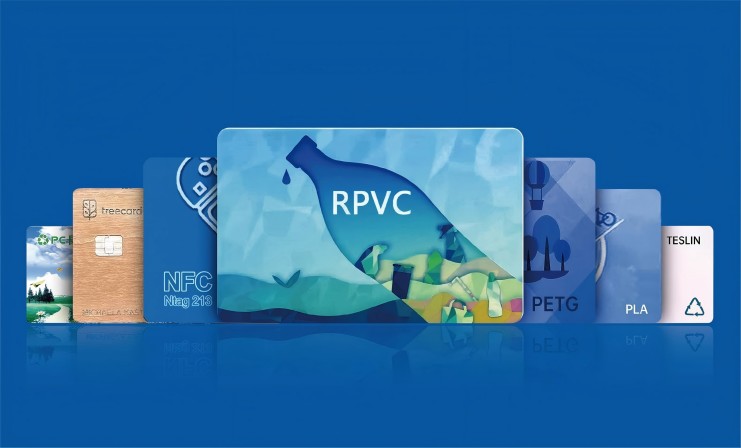
With the continuous development of the smart IC card, RFID card, and bank card industries, card substrate materials have become increasingly diverse. From the early dominance of PVC to the growing use of eco-friendly materials such as RPVC, PETG, PET, PC, and PLA, the heat sensitivity of card constructions has risen significantly. As the core equipment for card lamination and bonding, card laminators currently use two mainstream heating methods: oil heating and electric heating. The choice of heating method directly affects heating speed, temperature control accuracy, maintenance costs, and application suitability. To address the common question from many smart card manufacturers—"How do we choose between an oil-heated laminator and an electric-heated laminator?"—Wenlin Technology, drawing on years of R&D and practical implementation experience in card manufacturing equipment, provides an in-depth analysis of the two mainstream heating solutions and offers professional selection recommendations for the industry.
Core Differences and Heating Principles
The core difference between Wenlin oil-heated and electric-heated laminators lies in how heat is transferred to the platens: oil heating relies on thermal oil circulation, while electric heating directly generates heat inside the platens through electric heating elements.
Wenlin Oil-Heated Laminator: It relies on an external thermal oil temperature control unit. High-temperature thermal oil circulates continuously through the hot platens via piping, indirectly achieving uniform heating of the entire platen and transferring heat through the thermal oil medium. This provides more uniform platen heating and excellent temperature stability.
Wenlin Electric-Heated Laminator: Electric heating elements, such as heating tubes, are embedded directly inside the platens and generate heat when powered. The platens of Wenlin electric-heated laminators are divided into multiple heating and temperature control zones (10–16). Heat requires no intermediate medium, so heating is more direct. Multi-point temperature control and temperature compensation ensure uniform heating.
Comparison of Advantages
Advantages of Oil Heating (Thermal Oil Circulation)
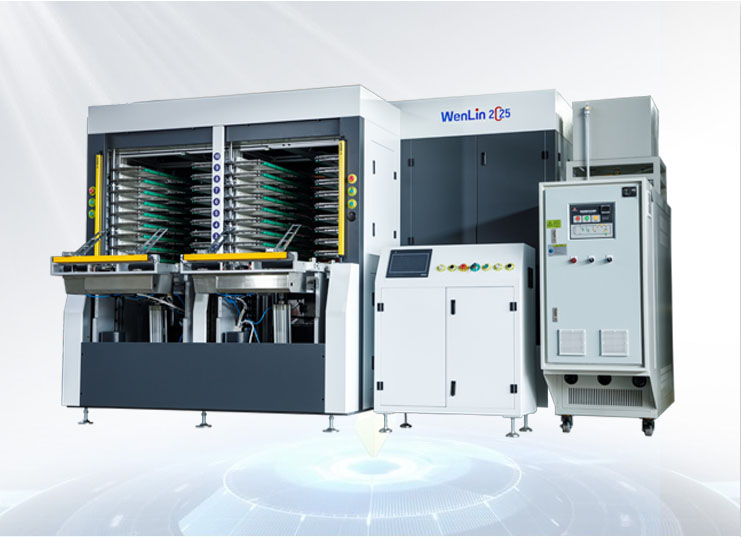
Oil heating provides excellent temperature uniformity. Thermal oil circulation keeps temperature differences across the entire hot platen well controlled, greatly reducing local hot spots. Wenlin’s new-generation oil-heated fully automatic smart card laminator controls temperature accuracy within ±1°C and platen flatness within ±0.05 mm. For special materials such as ultra-thin dual-interface inlays, as well as bank cards, ID cards, passports, and other high-precision credential cards, it effectively improves product yield.
Wenlin oil-heated laminators offer stable thermal inertia and minimal temperature fluctuation in continuous large-batch production. Under long-term, uninterrupted batch production, temperature does not drift easily, ensuring high batch-to-batch consistency. They are suitable for continuous large-scale production with multiple openings, large formats, and multiple layers.
Advantages of Electric Heating (Direct Electric Heating Tube)
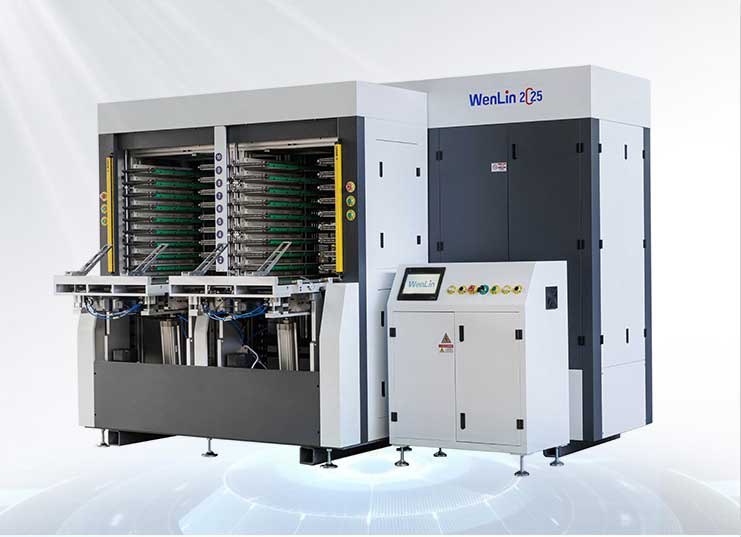
Many Wenlin fully automatic smart card laminators and smart laminators use electric heating. They feature fast heating on startup and a short preheating time. The platens generate heat directly with fast thermal response, making them suitable for intermittent production and enabling relatively quick production startup. The electric-heated laminator has a compact structure, requires no external oil temperature control unit, occupies less floor space, and has a lower equipment purchase threshold. It also has fewer components, simplifying routine maintenance and making relocation easier. It is highly suitable for scenarios with multiple product types and frequent batch order switching.
How Should Card Manufacturers Choose the Right Model?
Neither heating method is inherently better; the right choice is the one that better fits the manufacturer’s own process and production model. Customers should make a comprehensive decision based on product positioning, production capacity model, and site conditions.
Scenarios Where Oil-Heated Laminators Are Preferred
Oil-heated laminators are suitable for high-end card production. For special-process materials, the card substrate itself is highly sensitive, and there are strict technical requirements for surface flatness after lamination and batch-to-batch consistency.
Continuous large-batch mass production: For factories running continuous, uninterrupted mass production 24/7, with long daily operating hours, the thermal stability of the equipment is more important than single-cycle heating speed.
Large lamination formats and multiple lamination openings/layers, where the manufacturer is willing to accept slightly higher initial investment and regular oil-circuit maintenance costs.
Scenarios Where Electric-Heated Laminators Are Preferred
Electric-heated laminators are suitable for card substrate materials such as PVC, PET, PC, ABS, and PETG that are compatible with heat and pressure.
They provide rapid heating and cooling response and simple structural maintenance, and are suitable for laminating multiple specifications and card types, flexibly handling frequent material and plate changes.
They are ideal for credential card manufacturers with limited workshop space, a need for a compact equipment footprint, relatively limited budgets, and simple daily maintenance.
Whether oil-heated or electric-heated, Wenlin card laminators are equipped with a PLC + touchscreen intelligent control system. They support segmented process recipe storage for lamination pressure, temperature, and time, and feature automatic hot-to-cold transfer and automatic loading/unloading to reduce manual labor. Customers can directly recall preset production programs according to their own process recipes.
Many customers struggle with whether to choose an oil-heated or electric-heated laminator, but the decision ultimately comes back to their own products. According to a Wenlin Technology marketing manager, Wenlin offers both electric-heated and oil-heated product lines precisely to cover smart card manufacturers of different scales and positioning—from small, personalized card-making equipment to high-capacity fully automatic production lines—providing card lamination equipment tailored to diverse customer needs, along with process technology support to help customers match the most suitable smart card lamination solution.